

No products in the cart.

 1-800-761-1100
How are Horse Hair Mattresses Made

When most people think of mattress materials, foam, latex, or coil springs, typically come to the forefront. However, how are horse hair mattresses made is a diffrent story. One of the oldest, most luxurious, and surprisingly resilient materials used in mattress making and upholstery is horse hair. A natural material with extraordinary properties, horsehair has been prized for centuries for its durability, springiness, and ability to regulate temperature and moisture.
But how exactly are horse hair mattresses made, and why do they still have a place in the premium bedding market? Let’s explore the fascinating process behind these high-end mattresses.
What Is Horse Hair and Why Is It Used in Mattresses?
Horse hair refers to the long, coarse strands from the manes and tails of horses. It’s not just any hair, it’s a robust, elastic fiber with unique properties that make it perfect for mattresses:
-
Natural elasticity: Horsehair acts like a miniature spring, providing excellent support and bounce.
-
Moisture wicking: The hollow structure of horsehair wicks away moisture, keeping the bed dry and hygienic.
-
Ventilation: Its natural curl maintains space between fibers, allowing airflow for temperature regulation.
-
Longevity: Properly processed horsehair can last for decades without losing its structure.
Step-by-Step: How Are Horse Hair Mattresses Made?
Creating a horsehair mattress is a meticulous and a very labor intensive process, often done by hand. Here’s how it happens:

1. Sourcing the Horse hair
Horsehair is typically sourced as a byproduct from horse grooming and trimming, often in Central Europe. The tail hair is favored over mane hair due to its greater length and strength.
2. Cleaning and Sterilization on how horse hair mattresses are made
The raw hair undergoes a thorough cleaning process to remove dirt, grease, and organic residues.
-
It’s washed multiple times using natural or mild detergents.
-
Afterward, it is steam sterilized at high temperatures to eliminate bacteria and allergens.
3. Spinning and Curling
Once cleaned, the hair is spun into tight curls, a step that’s crucial for creating the springiness horsehair is known for. These curls
-
Are mechanically twisted and heat set to retain their shape.
-
Give the horsehair its signature bounce, acting as minicoils in the mattress.
4. Layering with Natural Mattress Materials
The curled horsehair is layered in thin sheets, sometimes needle punched onto a backing, or, placed loosly to form the layer within the mattress. These layers are then combined with other natural fillings, such as either Wool and/or Cotton.
-
Wool (for warmth and softness),
-
Cotton (for structure and breathability)
5. Hand-Tufting and Assembly
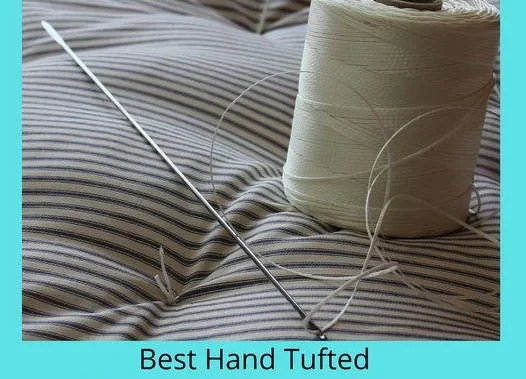
Rather than using adhesives or foam, most horsehair mattresses are handtufted
-
This involves threading heavy duty twine through the entire mattress and anchoring it with wool tufts or tying knots.
-
It compresses the fillings and locks them in place.
-
The mattress is then sewn shut, often with a tape edge finish, for longevity and durability.
The outer fabric usually a high thread count cotton, wool damask, or even linen blend is chosen for breathability and comfort.
Why Choose a Horse Hair Mattress
Horsehair mattresses are not for everyone. They are often extremely expensive, handcrafted, and tailored for those seeking natural luxury. However, their benefits are exceptional:
-
Temperature control: Stay cool in summer and warm in winter.
-
Natural hygiene: Horsehair resists mold, mildew, and dust mites.
-
Unmatched durability: Can last 25–50 years or longer with proper care.
-
Eco-friendly: 100% natural and biodegradable.
The Legacy and Modern Appeal
Horsehair mattresses date back centuries and were once considered the epitome of luxury. Royal families and wealthy households would commission handcrafted beds stuffed with horsehair, which outperformed other materials of the era.
Today, Orange Mattress continues this tradition, serving a niche market that values craftsmanship, sustainability, and natural materials. These mattresses are often custom built, priced from several thousand to tens of thousands of dollars, and are found in luxury hotels, yachts, and the homes of connoisseurs. We charge resonable prices for your quality horse hair mattress
Horsehair mattresses may seem like a relic of the past, but their unique properties ensure they still hold a place in the world of premium sleep products. Handcrafted, durable, and eco conscious, they combine traditional craftsmanship with timeless comfort. Whether you’re considering one for your bedroom or simply curious about natural mattress alternatives, horsehair mattresses offer a fascinating glimpse into how nature can still outperform even the most modern synthetic materials.
FAQ: Horse Hair Mattresses
1. Are horse hair mattresses good?
Yes, horsehair mattresses are excellent for those seeking durability, natural materials, and luxurious comfort. They offer excellent support, temperature regulation, and can last decades longer than conventional mattresses. However, they are generally firmer and significantly more expensive.
2. What are the benefits of horse hair mattresses?
Here are the key benefits:
-
Excellent ventilation and moisture control.
-
Natural springiness for adaptive support.
-
Hypoallergenic and resistant to dust mites.
-
Long lifespan with little degradation.
-
Ecof riendly and sustainable.
3. Are horse hair mattresses still made?
Yes, they are still made, though by specialty manufacturers like Orange Mattress in NJ.
4. Is horse hair still used in mattresses?
Absolutely. While it’s no longer mainstream, horsehair remains in use in the luxury bedding industry. It’s especially valued for high end, organic, and bespoke mattresses due to its natural properties and performance.